Is IPTV Legal and Safe in the United States? Complete Answer
Key Takeaways
- Is IPTV legal safe United States? Yes, for licensed services — the legal and safety risks come specifically from unlicensed and fraudulent providers.
- Malware in sideloaded illegal IPTV apps is one of the most documented consumer cybersecurity threats in the streaming space.
- Payment security is a serious concern with fraudulent IPTV operators who use unsecured collection methods.
- Data privacy depends entirely on which provider you use — licensed providers have clear privacy policies; illegal providers often have none.
- IPTV US is a licensed, secure service with verified payment processing and a clear privacy policy.
Is IPTV legal safe United States? The complete answer requires examining both dimensions — legal status and digital safety — because they're deeply connected. The good news is that for users of licensed IPTV services, both legal standing and digital safety are well-protected. The complications arise exclusively when people use unlicensed services, which compound legal risk with genuine cybersecurity threats. The FTC's consumer protection guidance at ftc.gov/consumer is relevant here — these are real consumer protection issues affecting streaming users.
The Safety Dimensions of IPTV
"Safety" in the IPTV context has several distinct dimensions that deserve separate examination:
- Malware and cybersecurity risk — Can IPTV apps harm your device or steal your data?
- Payment security — Is it safe to give an IPTV provider your payment information?
- Data privacy — What do IPTV providers collect, and what do they do with it?
- Network security — Does IPTV use create vulnerabilities in your home network?
- Legal risk — Does using IPTV expose you to legal consequences?
Each of these is answered differently depending on whether you're using a licensed or unlicensed service.
Malware and Cybersecurity Risk
This is the safety concern that affects the most IPTV users and causes the most documented harm.
Malware in Illegal IPTV Apps
Cybersecurity researchers have consistently documented malware in sideloaded IPTV applications — apps distributed outside official app stores for unlicensed IPTV services.
The threat types found in IPTV-related malware include:
Credential stealers: Code designed to capture login credentials for Amazon, Netflix, banking apps, and email accounts used on the same device.
Adware and click fraud: Apps that run hidden advertising click operations in the background, consuming bandwidth and battery without the user's knowledge.
Cryptominers: Code that uses your device's processor to mine cryptocurrency for the app developer's benefit, causing device slowdown and increased electricity consumption.
Botnet code: Your device becomes part of a distributed attack network used for DDoS attacks, spam campaigns, or further credential theft operations.
Ransomware: In rare but documented cases, IPTV apps have carried ransomware capable of encrypting device storage.
Who is at risk? Anyone who sideloads IPTV APKs from unverified sources. Fire Stick users, Android TV users, and Android phone users are the most affected populations because Android's open architecture allows APK sideloading.
Who is NOT at risk? Users of licensed IPTV services with apps in official app stores (Amazon Appstore, Google Play, Apple App Store, Roku Channel Store). These apps have been reviewed for security.
How to Protect Against IPTV Malware
- Only use apps from official stores. This is the most effective single protection.
- Never enable "Unknown Sources" or "Developer Mode" unless you have a specific legitimate reason.
- If you suspect a device has been compromised, perform a factory reset and scan before re-entering any account credentials.
- Use different passwords for different services so that one compromised credential doesn't cascade.
Payment Security
Payment security with IPTV providers varies dramatically based on provider legitimacy:
Licensed Providers: Secure Payment Processing
Licensed IPTV providers use standard merchant payment processors (Stripe, PayPal, Braintree) that:
- Encrypt payment data in transit (HTTPS/TLS)
- Don't store raw card numbers on their servers (tokenisation)
- Meet PCI-DSS compliance standards
- Provide fraud monitoring and buyer protection
When you pay IPTV US, your payment is processed through the same secure infrastructure that legitimate e-commerce businesses use.
Fraudulent Providers: Payment Risk
Fraudulent IPTV operators pose multiple payment security risks:
Data harvesting: A fake IPTV website may collect your card details with the primary purpose of selling them on the dark web rather than providing a service.
No PCI compliance: Fraudulent sites may store raw card numbers without proper security, exposing your data to breaches.
Untraceable payment requirements: Requests for gift cards, Western Union, or cryptocurrency indicate the operator wants untraceable payments — often because they're planning to disappear with your money.
Subscription traps: Some fraudulent providers use pre-authorized payment methods to make unauthorised charges after the initial subscription payment.
Pro Tip: Before entering payment details on any IPTV provider's website, check three things: Does the URL begin with https://? Is there a recognizable payment processor (not a custom payment page)? Can you identify the merchant name that will appear on your card statement? All three should be verifiable for any legitimate provider.
Data Privacy
What data does your IPTV provider collect, and what do they do with it?
What Licensed Providers Collect (Typical)
- Account information: email address, username, password (stored hashed)
- Billing information: handled by payment processor, not stored by provider directly
- Usage data: channels watched, viewing times, app usage (for service improvement and troubleshooting)
- Device information: device type, app version (for technical support)
A licensed provider's privacy policy specifies all of this clearly, commits to data protection standards, and describes under what circumstances data might be shared (e.g., legal requirements).
What Unlicensed Providers May Collect (and Misuse)
Illegal IPTV providers may:
- Sell your email address and viewing habits to third-party marketers
- Share subscriber data with other illegal operators
- Retain your payment card details insecurely
- Have no meaningful data retention limits
The core problem: illegal providers have no accountability and no business incentive to protect your data. There's no enforcement mechanism for their privacy practices.
Protecting Your Privacy with IPTV
For users concerned about data privacy with any IPTV service:
- Use a dedicated email address for IPTV registration
- Pay with a virtual card number (many banks offer these) to limit exposure
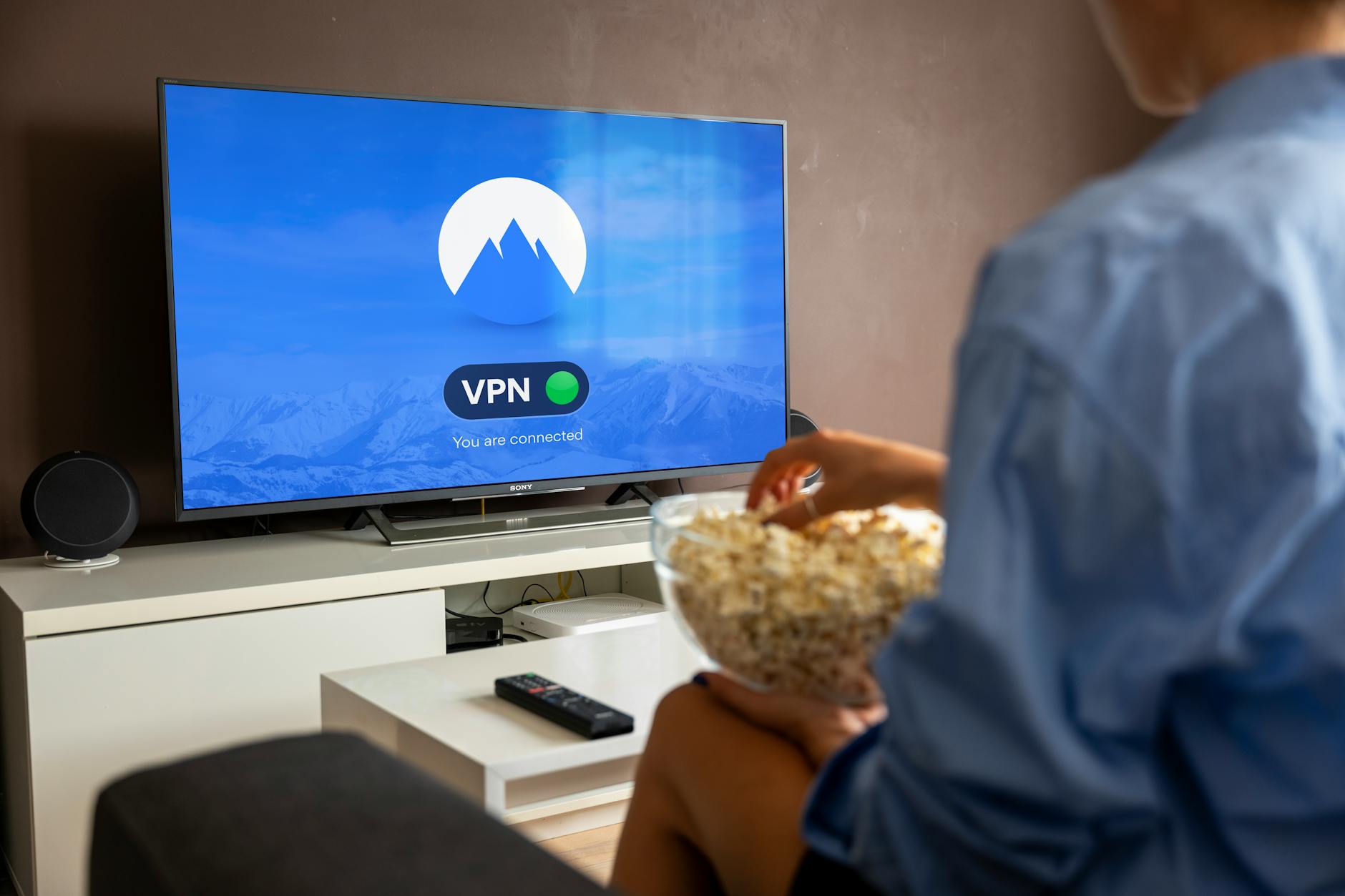
- Consider a VPN to encrypt your streaming traffic from your ISP
- Review and understand the privacy policy before subscribing
See our guide on protecting your privacy while using IPTV for comprehensive privacy strategies.
Network Security
IPTV streaming itself doesn't create special network security risks beyond general internet activity. However, some considerations are worth noting:
ISP visibility: Your ISP can see that you're streaming video traffic (though not the specific content). For users concerned about ISP monitoring, a VPN encrypts this traffic.
Smart home network considerations: If your streaming device is on the same network as smart home devices, a compromised streaming device can potentially affect those devices. Consider separating IoT and entertainment devices onto a guest network.
Router security: Keeping your router firmware updated is important for all internet-connected devices, including IPTV streaming devices.
Legal Safety in the United States
The legal dimension of IPTV safety is covered comprehensively in our dedicated legal guide — is IPTV legal in the USA — but the core points:
Licensed IPTV: No legal risk to subscribers. Content is distributed under proper licensing agreements.
Unlicensed IPTV: Primary legal liability sits with operators. Individual subscriber risk is generally low but non-zero, particularly as enforcement has intensified. More practically, unlicensed services get shut down, and the associated security risks are well-documented.
The FTC Consumer Protection Perspective
The Federal Trade Commission's consumer protection framework is relevant to IPTV users for several reasons:
Fraudulent advertising: IPTV services that advertise features or content they don't deliver may violate FTC consumer protection rules. You can report deceptive practices at the FTC's reporting portal.
Subscription billing abuses: Providers that engage in unauthorized billing, difficult cancellation, or deceptive renewal practices are subject to FTC enforcement.
Data security: The FTC has authority over companies that fail to protect consumer data through reasonable security measures.
If you've experienced deceptive practices from an IPTV provider, the FTC's reporting resources at ftc.gov are available to you.
Safe IPTV Setup: The Complete Checklist
For a completely safe and legal IPTV experience in the United States:
- [ ] Chosen a licensed IPTV provider (IPTV US or other verified licensed service)
- [ ] App installed from official app store (not sideloaded)
- [ ] Payment made via credit card or PayPal (not gift cards or crypto)
- [ ] Privacy policy reviewed and understood before subscribing
- [ ] VPN installed (optional but recommended for privacy-conscious users)
- [ ] Strong, unique password used for IPTV account
- [ ] Two-factor authentication enabled if available
- [ ] Device firmware and apps kept updated
- [ ] Unknown Sources disabled in device settings (if previously enabled)
Conclusion
Is IPTV legal safe United States? Absolutely — when using a licensed service through official channels with standard security practices. The documented harms — malware, payment fraud, data theft, and service instability — are consistently associated with illegal and fraudulent IPTV providers. IPTV US is designed to be the safe, legal choice: licensed content, secure payment, clear privacy policy, official app store distribution, and a support team that's actually there when you need them.
Experience safe, legal IPTV with IPTV US — start your free trial today.
Frequently Asked Questions
What are the main security risks of using IPTV in the USA?▾
The main security risks come from illegal IPTV services, not licensed ones. Risks include malware in sideloaded APK files, unsecured payment processing on fraudulent provider websites, data harvesting by providers with no privacy policy, and credential theft through poorly coded apps. Licensed providers with official Appstore apps and secure payment processing carry minimal security risk.
Can IPTV steal my personal information?▾
A licensed IPTV service with a clear privacy policy and secure payment processing handles your data responsibly. Illegal or fraudulent IPTV services may harvest and sell personal data, use unsecured payment collection, and distribute apps containing spyware. Always check the privacy policy and use a provider that accepts secure payment methods.
Is my internet connection safe when using IPTV?▾
Using a licensed IPTV service doesn't create any special risk to your internet connection. However, your ISP can see your streaming traffic. If privacy is a concern, a reputable VPN encrypts your traffic and prevents your ISP from monitoring your IPTV usage. For illegal IPTV, your ISP throttling enforcement or reporting traffic is a real concern.
Ready to cut the cord?
Try IPTV US — 10,000+ Channels from $6.99/mo
HD & 4K streaming, sports, movies, and live TV on any device. No contracts. Free trial available.
View Plans & PricingDigital Entertainment Writer
James covers the business and consumer side of streaming — provider reviews, pricing comparisons, sports broadcasting rights, and the legal landscape of internet TV in the United States. With a background in media journalism, he brings clarity to complex topics like IPTV legality, sports streaming rights, and the ongoing shift away from traditional pay TV.
Comments
Comments are coming soon. Have a question? Contact us.
Related Articles

Why a VPN Is Essential for Your IPTV Subscription in 2026
Why a VPN is essential for your IPTV subscription in 2026 — ISP throttling, geo-restrictions, public Wi-Fi security, and privacy protection all make the case.
How to Protect Your Privacy While Using IPTV (2026 Guide)
A practical 2026 guide to protecting your privacy while using IPTV — what data providers collect, how to minimise data exposure, VPN strategies, and secure payment methods.

Are IPTV Boxes Legal in the USA? What You Need to Know
Are IPTV boxes legal in the USA? A complete guide to the legality of set-top boxes, streaming sticks, and IPTV hardware — the device is legal, but content matters.